
Latent Fingerprints
High-contrast fingerprint visualisation enabled by hyperspectral sensitivity.
Highest visualisation performance across multiple surfaces
BlindSite captures high-quality latent fingerprints without the need for physical or chemical enhancement, preserving evidence integrity while allowing immediate suspect identification at the scene
Watch daylight challenge demo video

Works in daylight and darkness
with no impact on performance

Fast, non-contact detection.
Search up to 10 m and capture from 10 cm
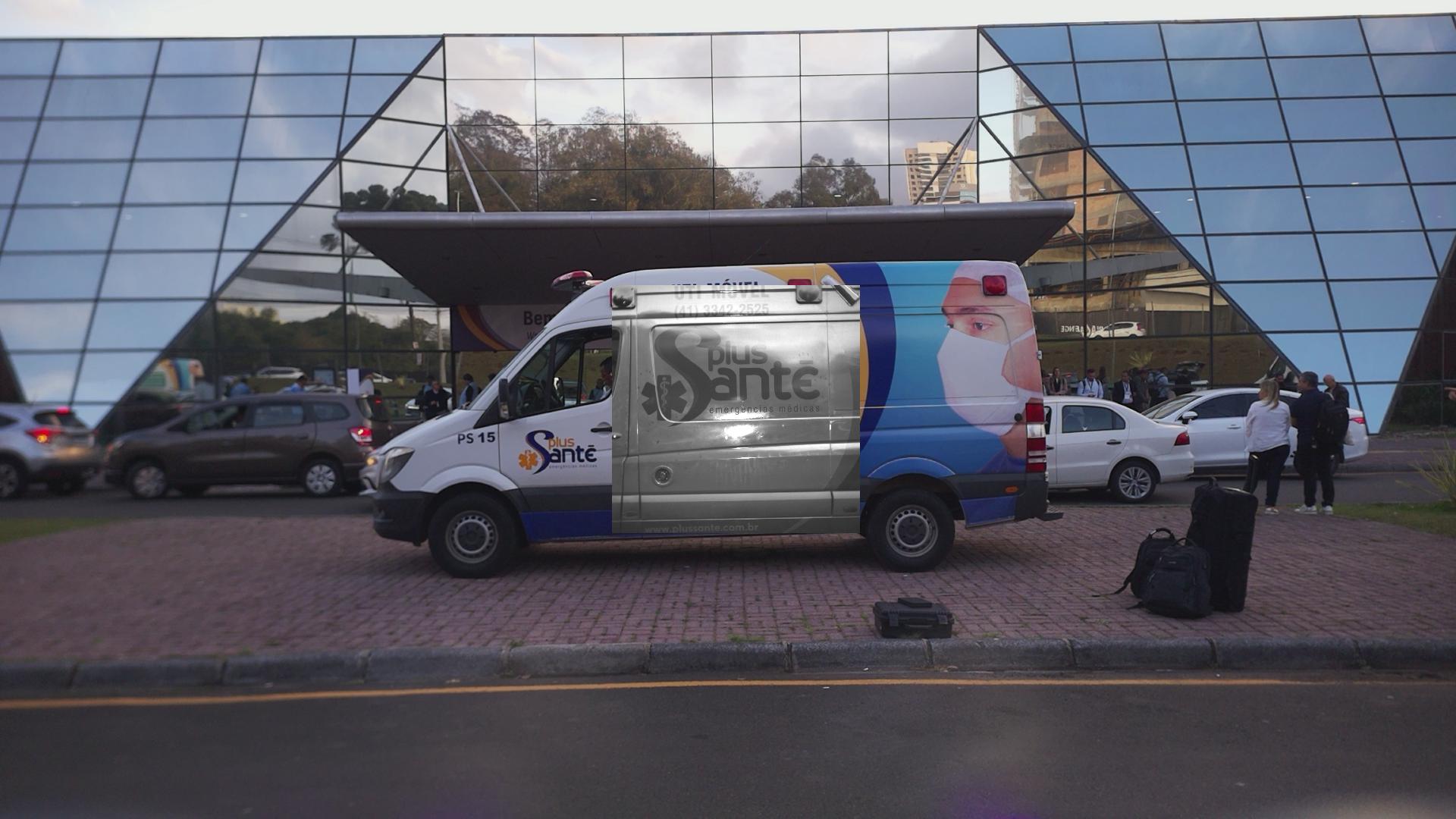
Non-Contact.
Non-Destructive.
Safe to use, no chemicals, preserving the evidence for further analysis
No connectivity required
Secure operation in all environments
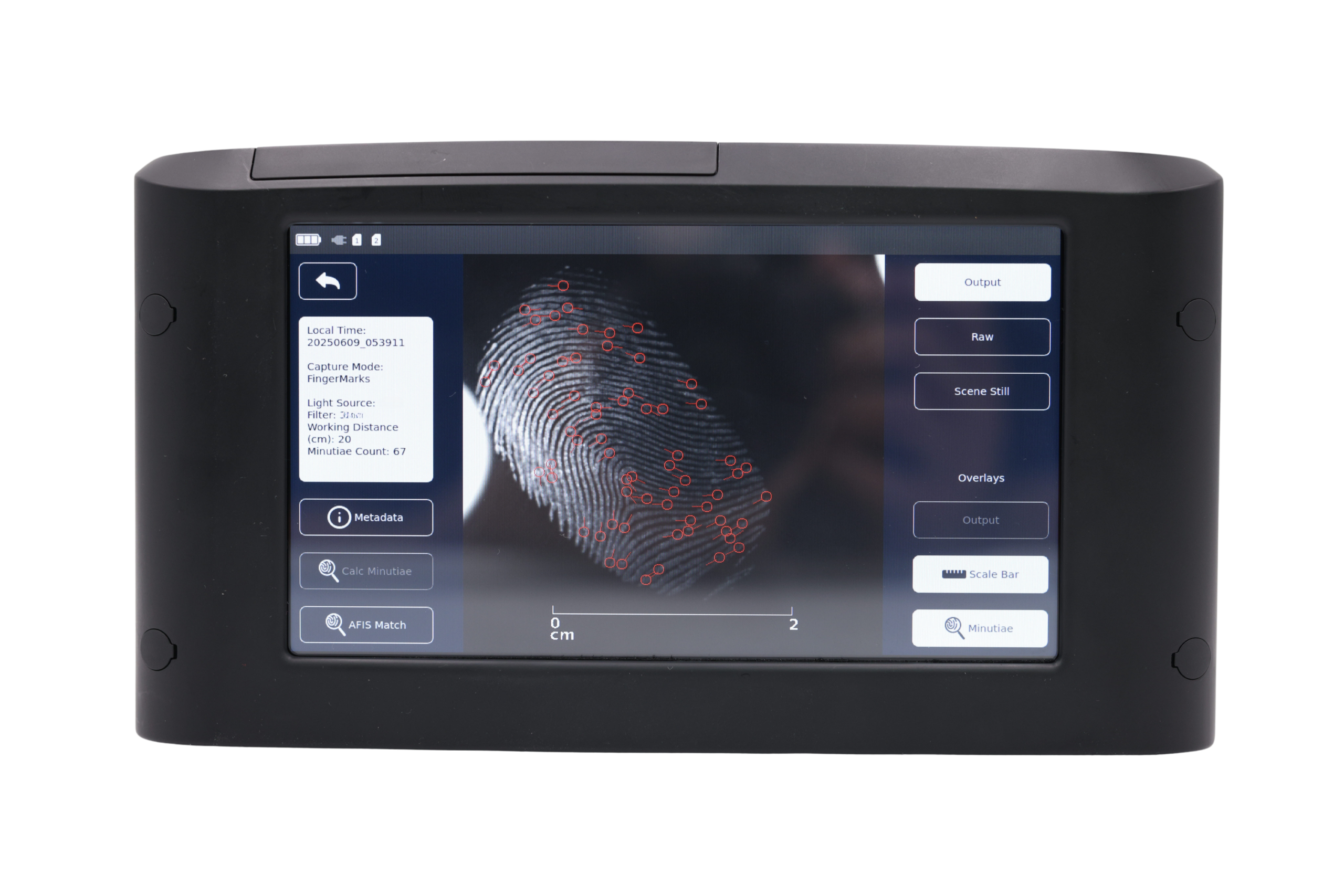

In-built AFIS
for immediate suspect identification supplied by ROC.
Ranked #1 globally for fingerprint recognition speed and accuracy by NIST.
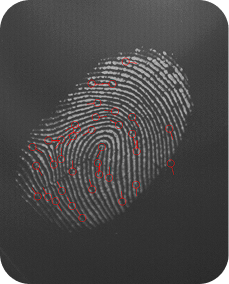
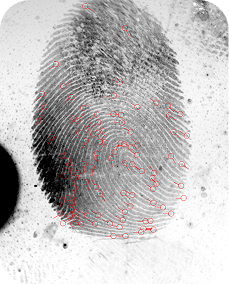
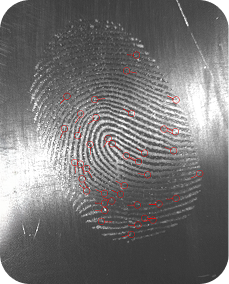
Capture at an angle or perpendicular to surface .
Increase probability of locating fingermarks
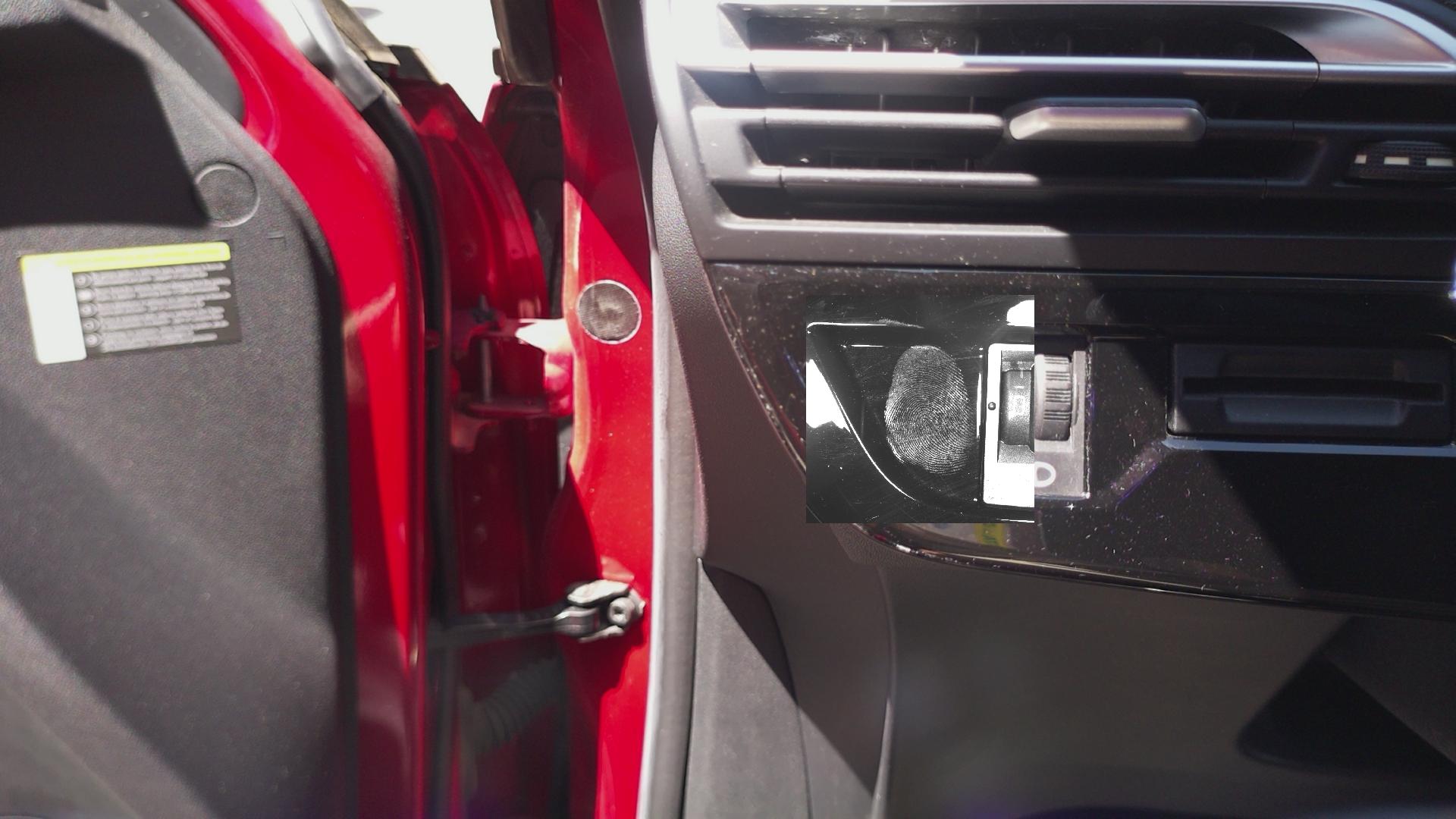
Angled capture on touchscreen – Vehicle scene overlay
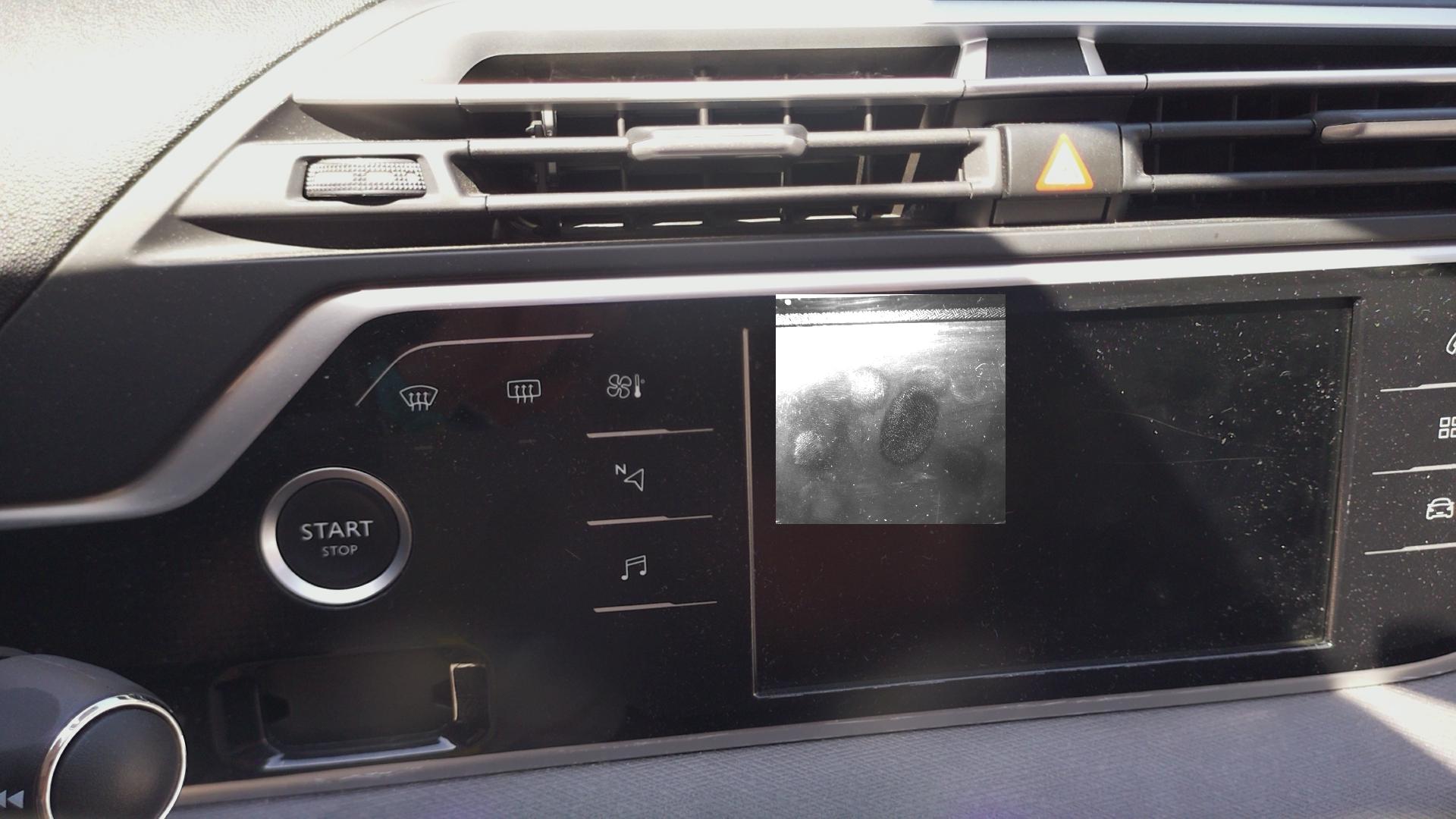
Angled capture on plastic dash – vehicle -Scene Overlay
Secondary scene camera and automated scene still overlay.
Evidence location and context, improving integrity
Use on porous and non-porous surfaces.
Flat, curved, transparent, and illuminated .
Ignores background information.
Capture what matters
Non-contact digital scale bar with no risk of contamination.
*Images include the use of different aperture settings to increase depth of field on angled or curved surfaces
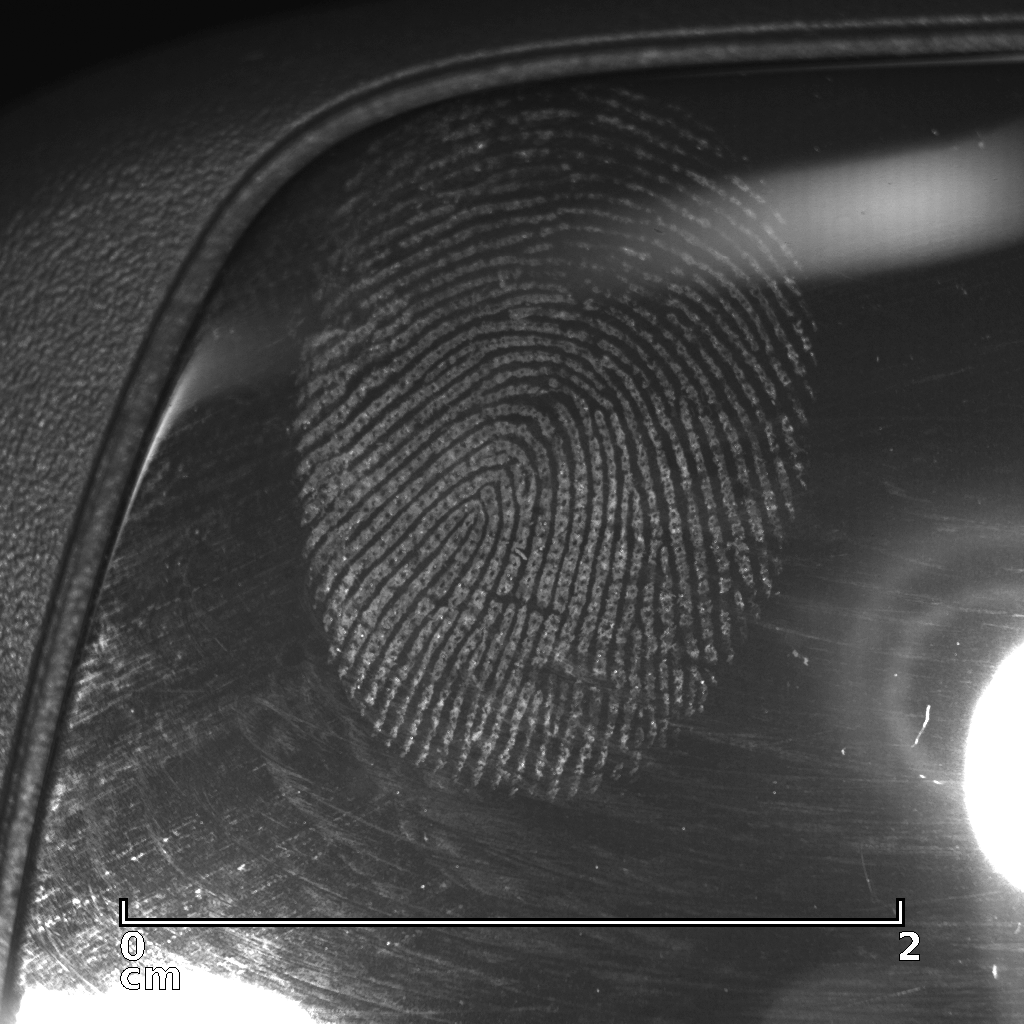
Fingerprint from rearview mirror
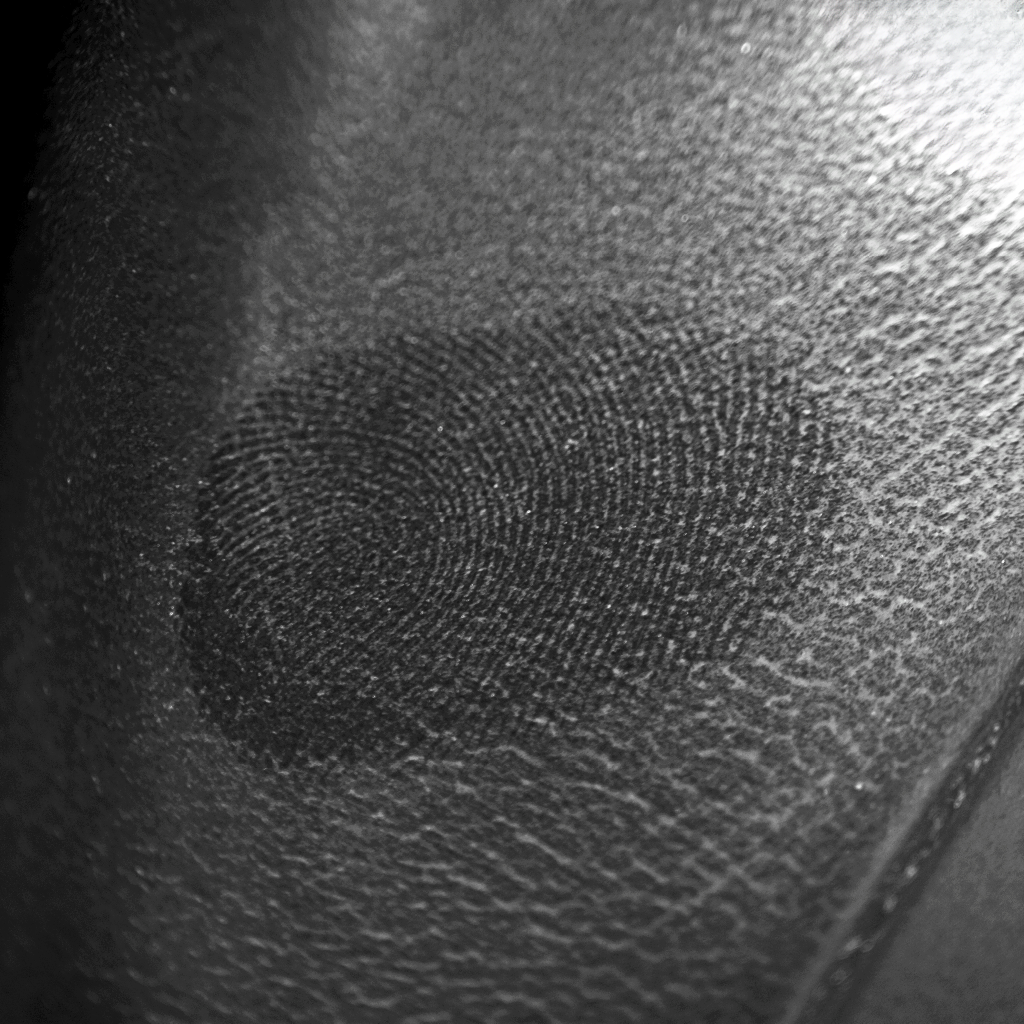
Fingerprint from car steering wheel
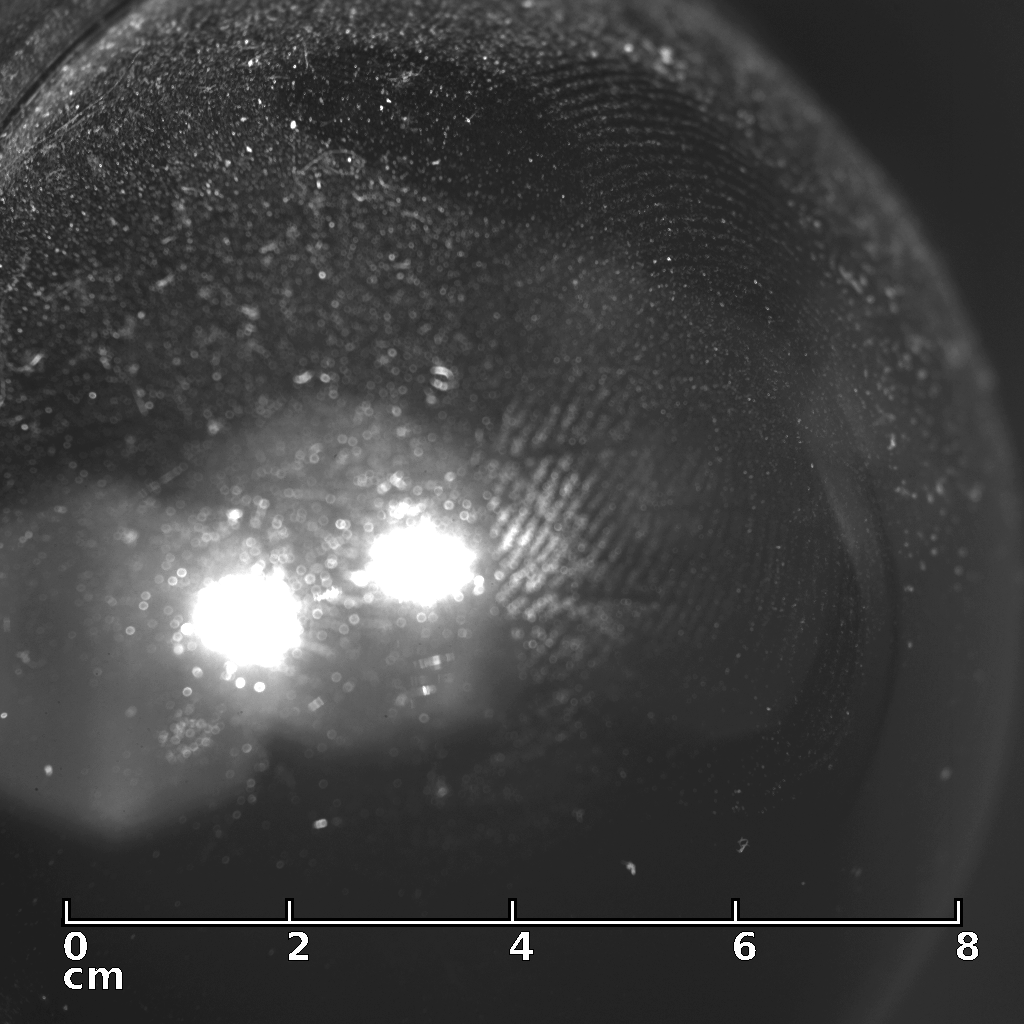
Fingerprint from shiny metal curved knob
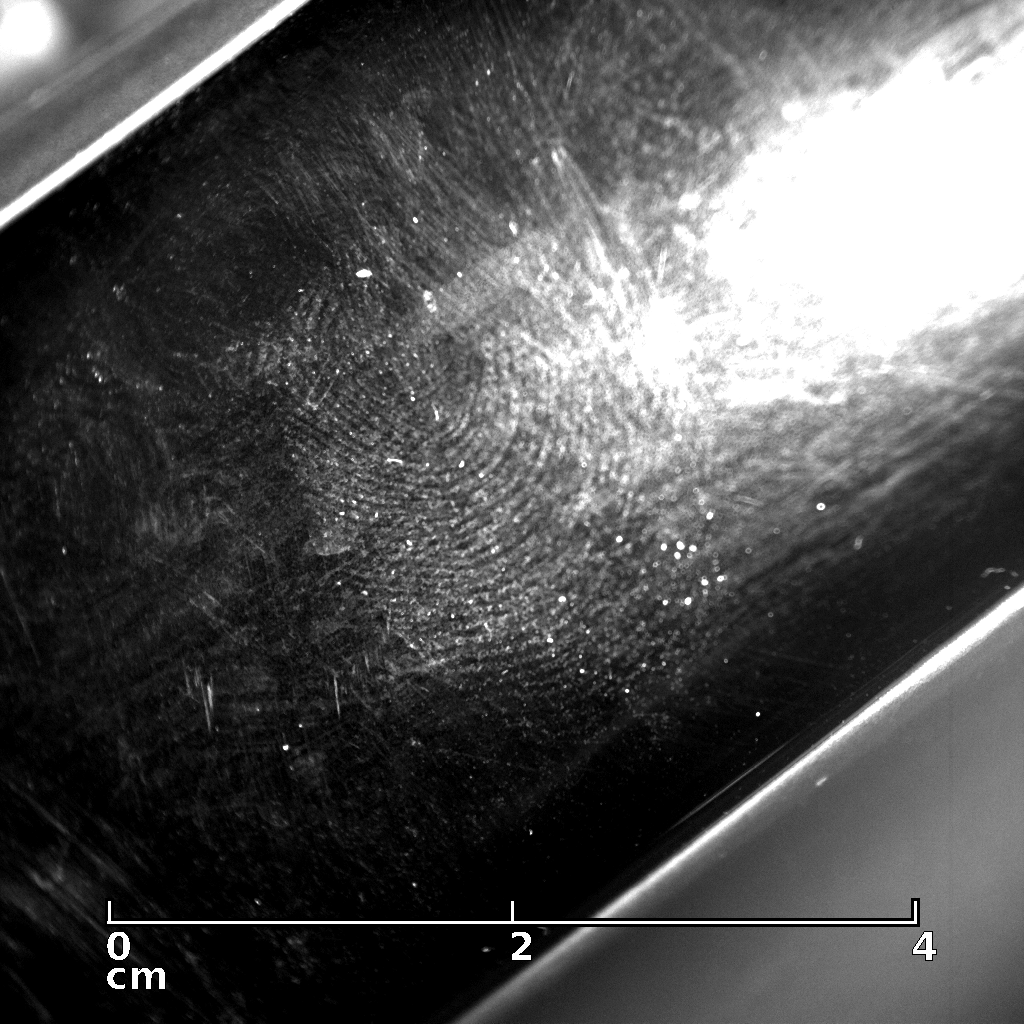
Fingerprint from inside car door handle
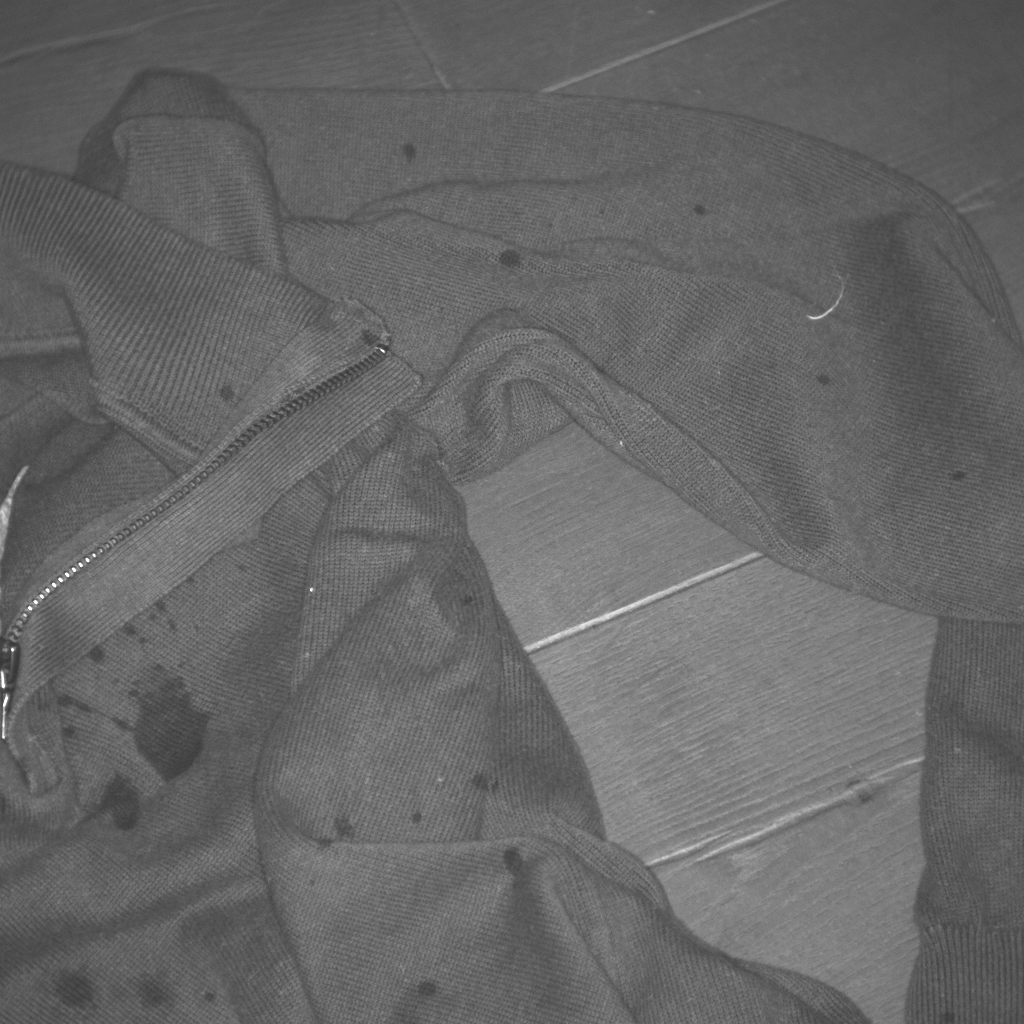
Leading performance in latent fingermark visualisation across the industry by independent study.
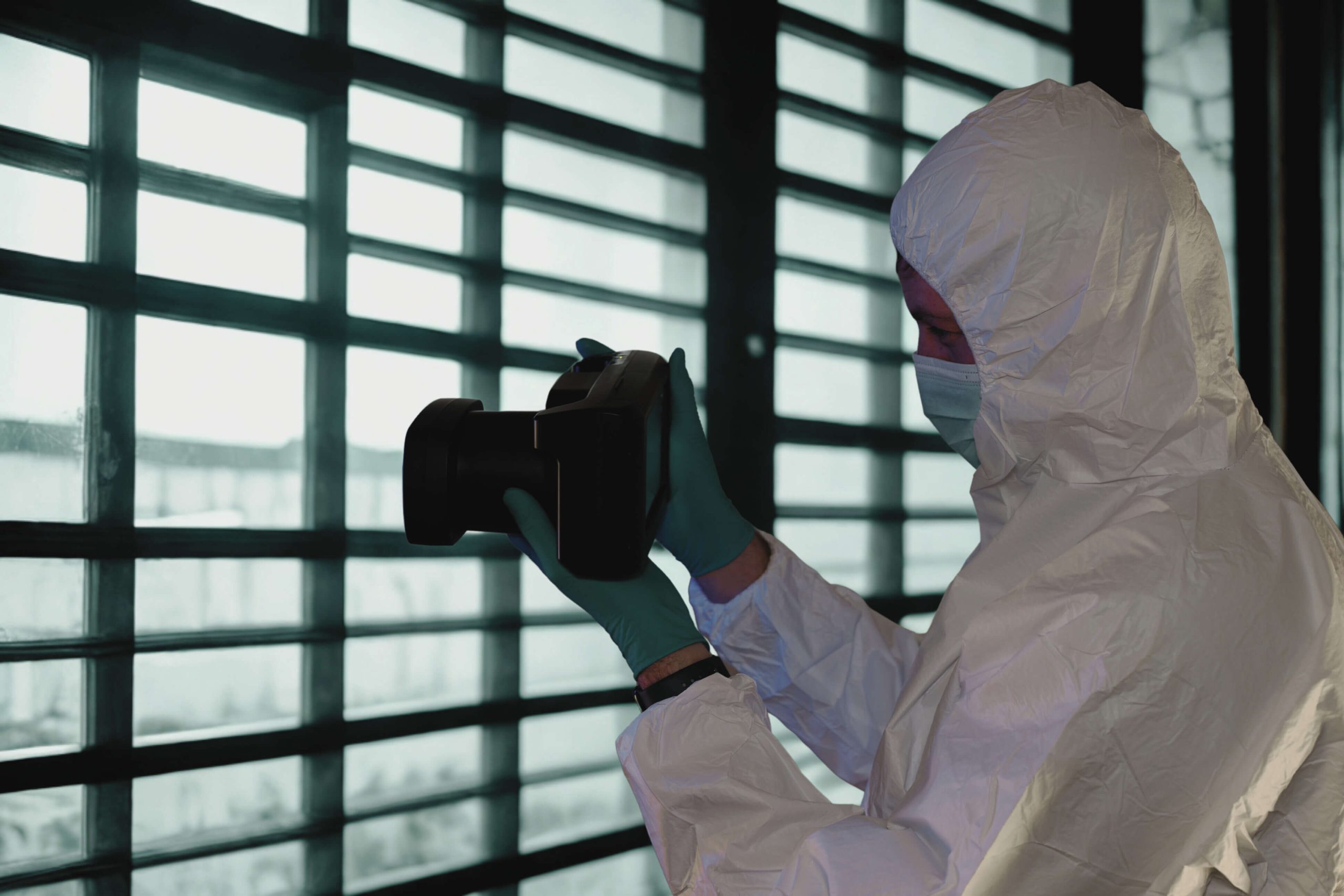
Available within BlindSite Scene Multi-evidence
These latent fingerprint capabilities are available within BlindSite Scene Multi-evidence, supporting high-quality recovery across a broader range of forensic applications.
With BlindSite, capture what no one else can.
Get in touch to learn more about latent fingerprint visualisation and how these capabilities can support faster, higher-quality recovery in the field.